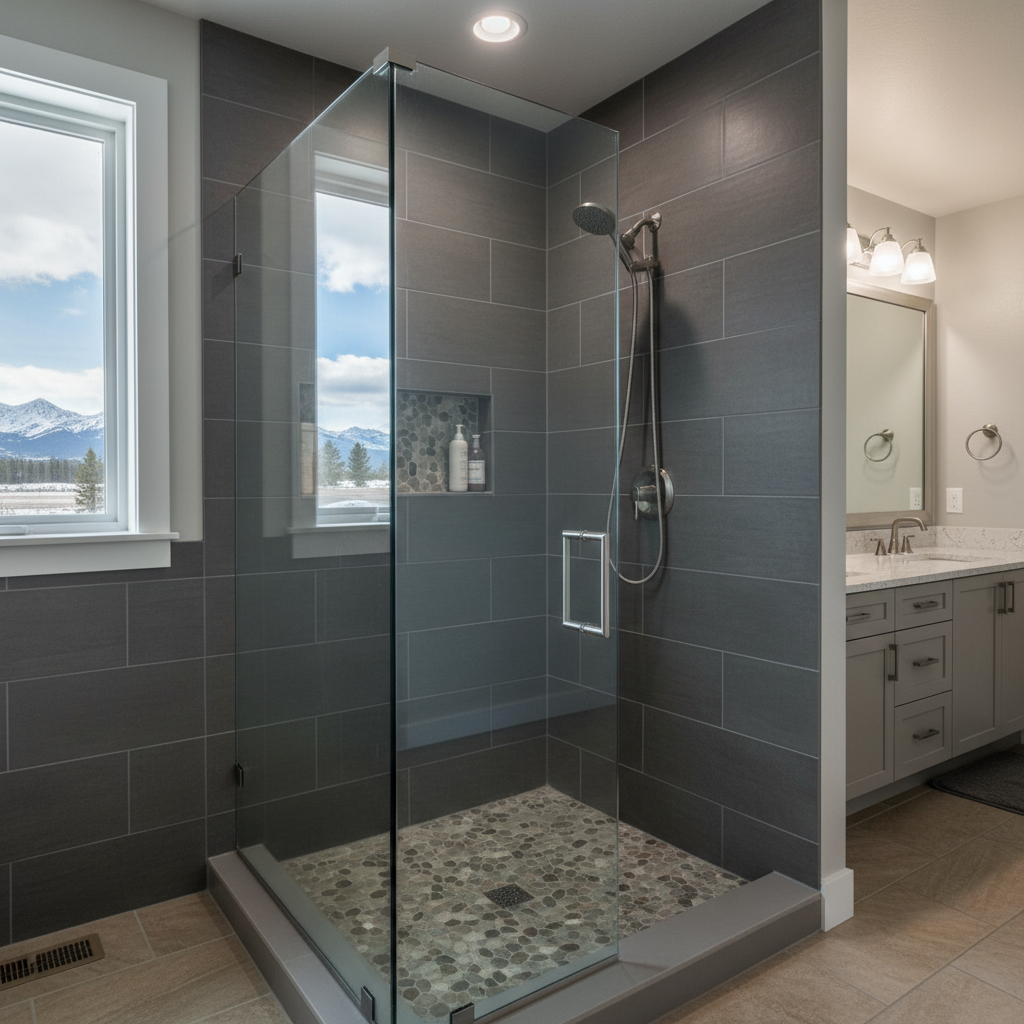
So, you just dropped some cash on a beautiful new shower, maybe even had us at Big Sky Bathroom & Kitchen install it for you. That's fantastic! But getting a new shower isn't the finish line, not by a long shot. It's actually just the beginning. You want that beauty to last, right? Especially up here in Big Sky, where our winters stretch on forever and the elements really test everything. A little maintenance, honestly, goes a long way. Let's chat about how to protect your investment and keep that shower looking as sharp as the day we put it in.
Making Your Shower Last Longer
First, think about what your shower deals with every single day. Hot water, soap scum, mineral deposits from our local water (which, let's be real, can be pretty hard), and constant humidity. It's a lot to handle. The biggest thing you can do to make it last? Simple: clean it regularly and ventilate the space properly.
- Squeegee After Every Use: No kidding, this one's a game-changer. A quick run with a squeegee on your glass doors and tiled walls gets rid of most of the water. This stops hard water spots and mildew from building up. It takes, what, 30 seconds?
- Wipe Down Surfaces: After you're done showering, grab a microfiber cloth and give your fixtures and ledges a quick wipe. This helps them dry out, stopping water from just sitting there and etching the surfaces, especially those metal finishes.
- Ventilate, Ventilate, Ventilate: Our mountain air is dry, sure, but your bathroom gets humid super fast. Always run your exhaust fan while you're showering and keep it going for at least 15-20 minutes afterward. If you don't have one, or it's just not strong enough, that's something you should probably look into. Good ventilation is crucial for keeping mold and mildew at bay, which can really mess up grout, caulk, and even your wall materials over time.
- Use the Right Cleaners: Stay away from harsh, abrasive cleaners. They're especially bad for natural stone, acrylic, or plated fixtures. Stick to pH-neutral stuff for your everyday cleaning. For tougher jobs, find products made specifically for your shower's material. If you've got natural stone, like slate or travertine, you'll need sealants and cleaners that won't strip them bare.
What Regular Maintenance Looks Like
Beyond those daily habits, here's a quick rundown of what you should be doing on a regular basis:
- Weekly Wipe-Down: Give all your surfaces a good cleaning – glass, tile, grout, fixtures – with a gentle cleaner. Really focus on those corners and edges; that's where moisture loves to hang out.
- Monthly Deep Clean: If you've got a tiled shower, check your grout lines. Are they looking a bit dingy? You might need a grout cleaner and a brush. For glass, a decent glass cleaner can get rid of any stubborn streaks or spots. And don't forget your drain; pull out any hair and debris. A simple hair catcher can prevent a big clog later.
- Annual Sealant Check (Tiled Showers): For tiled showers, especially those with natural stone, your grout and stone need to be sealed every so often. Given our climate, with its crazy temperature swings and dry air, I'd say check it yearly. Water should bead up on the grout lines. If it just soaks right in, it's time to re-seal. This step is super important for stopping water from getting behind your tiles.
- Caulk Inspection: Take a good look at the caulk lines. You know, where the base of your shower meets the pan or tub, and around any glass enclosures. If you see cracks, shrinking, or discoloration, that caulk isn't doing its job anymore.
Warning Signs of Problems
You really need to be proactive here. Catching small issues early can save you a huge headache and a lot of money down the road. So, here's what to keep an eye out for:
- Discolored or Cracking Grout/Caulk: This is a big red flag, seriously. Grout and caulk are your first line of defense, stopping water from going where it shouldn't. If they're failing, water can seep behind your walls or under the shower pan. That leads to rot, mold, and structural damage.
- Musty Odors: If your bathroom smells damp or musty, even after you've cleaned and ventilated, it often means mold or mildew is growing somewhere you can't see it.
- Water Stains Outside the Shower: Look for stains on the ceiling directly below the bathroom, or on the baseboards or flooring right next to the shower. This is a clear sign you've got a leak.
- Slow Draining: A slow drain usually means a clog is starting to form. Deal with it now before it turns into a complete blockage.
- Loose Tiles: If any tiles feel loose or sound hollow when you tap them, the adhesive might be failing, or worse, water could have gotten behind them.
- Pitting or Corrosion on Fixtures: Our hard water can be pretty rough on finishes. If you notice significant pitting or corrosion, it might be time to swap out those fixtures, or at least think about getting a water softener for your home.
When to Call a Professional
Some things you can totally handle yourself, but for others, it's smarter to bring in someone who really knows their stuff. Don't wait until it's a total disaster, okay?
- Persistent Leaks: If you've got a leak you can't find or fix on your own, give us a call. Water damage spreads quickly, especially in older homes around Big Sky, where the framing might not be as sturdy as modern construction.
- Extensive Grout or Caulk Failure: If big chunks of your grout are crumbling or caulk is peeling everywhere, that's a much bigger job than just a quick patch. We can figure out the real problem and re-grout or re-caulk it properly.
- Mold Growth: You can clean small surface mold yourself. But if you suspect mold is behind walls or under the shower pan because of lingering odors or leaks, you really need professional remediation.
- Plumbing Issues: Beyond just a simple hair clog, if you keep having drainage problems, low water pressure, or issues with your shower valve, you'll need a licensed plumber.
- Any Structural Concerns: If you notice soft spots in your subfloor around the shower, or walls that are bowing, that's a serious problem. It needs immediate attention from a general contractor or plumber.
Your new shower is a fantastic addition to your home. With just a little consistent care and by paying attention to those warning signs, you'll keep it sparkling and working great for many, many years to come. If you ever have questions or run into a problem you can't quite tackle, don't hesitate to give us a call at Big Sky Bathroom & Kitchen. We're always here to help our neighbors.