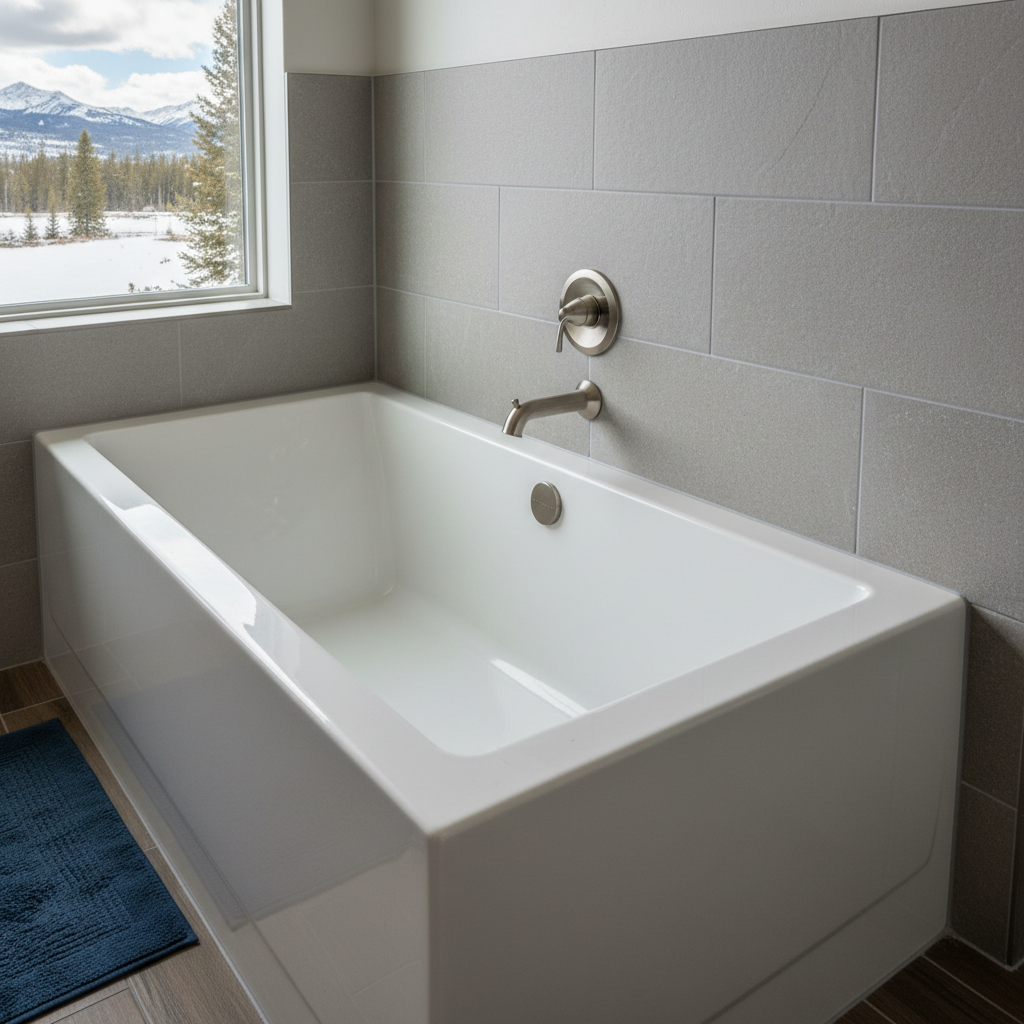
Do I really need to replace my bathtub, or can I just refinish it?
This is probably the first question most folks ask, and it's a good one. Look, refinishing can seem like a cheaper, quicker fix, and sometimes it is. If your tub is just a little dull, has some minor surface scratches, or the color's just outdated but the tub itself is solid, refinishing might get you a few more years. They'll sand it down, spray on a new coating, and it'll look fresh for a while. But here's the catch: that coating isn't as durable as the original enamel or acrylic. It can chip, peel, or yellow over time, especially with harsh cleaners or heavy use. If your tub has deep cracks, significant rust, structural damage, or if you're dealing with mold issues underneath, refinishing is just putting lipstick on a pig. You're better off replacing it. You'll get a brand new surface, a fresh start, and you won't be kicking yourself in two years when the refinish starts looking rough again.
What's the typical cost for a bathtub replacement project here in Big Sky?
Alright, let's talk numbers, because everyone wants to know this. The cost for a bathtub replacement in Big Sky can vary a lot, honestly. It's not just the tub itself. You've got the cost of the new tub, which can range from a few hundred bucks for a basic acrylic model to several thousand for a high-end cast iron or freestanding soaking tub. Then there's the labor: removing the old tub, prepping the area, installing the new one, and reconnecting plumbing. If we're just doing a straight swap, keeping the same footprint and not touching the tile surround, you might be looking at $3,000 to $7,000 all-in. But if we discover rotten subflooring from an old leak, or you want to upgrade your tile surround, or move the drain, that's going to add to the cost. For example, if we're dealing with a really old cast iron tub that's been there for decades, getting that out can be a beast and takes more time. Also, remember that materials and labor costs up here in Big Sky tend to be a bit higher than in, say, Bozeman, just due to logistics and demand. It's best to get a detailed quote after we see your specific situation.
How long does a bathtub replacement usually take?
Most folks are worried about how long their bathroom will be out of commission. For a straightforward, like-for-like bathtub replacement, we can usually get it done in about 2 to 3 days. Day one is typically demo and getting the new tub set in place. Day two involves plumbing connections, maybe some initial tile work if it's a drop-in tub. Day three might be finishing up tile, grout, and final cleanup. That's assuming no major surprises, like finding extensive water damage or needing to re-route plumbing significantly. If you're upgrading to a different type of tub, like converting a standard tub to a freestanding one, or if we're doing a full tile surround replacement, that timeline can stretch to a week or even more, depending on the scope of work. We always try to minimize disruption, but sometimes you just can't rush quality work.
What kind of bathtub materials are best for Big Sky homes?
When you're picking a new tub, you've got a few main options, and each has its pros and cons, especially up here. Acrylic tubs are popular because they're lightweight, relatively inexpensive, and come in tons of shapes and sizes. They're warm to the touch, which is nice in our cold winters. The downside is they can scratch easier than other materials. Cast iron tubs are super durable, hold heat really well (great for a long soak after a day on the slopes!), and look classic. But man, they're heavy, which means more labor to install and sometimes we need to reinforce the floor joists, especially in older cabins. Enameled steel is a good middle-ground; it's lighter than cast iron but still pretty durable. Solid surface tubs are gaining popularity; they're seamless, non-porous, and can be repaired if scratched. What's 'best' really depends on your budget, how you use the tub, and the style you're going for. We've installed all kinds, and each has its place.
Can I change the tub's location or size during replacement?
You absolutely can, but it's not always a simple swap. If you want to move the tub to a different wall or put in a much larger tub where a smaller one used to be, you're usually looking at significant plumbing work to re-route drain and water lines. You might also need to modify the framing, electrical (if you're adding jets or a heater), and definitely the flooring and wall finishes. This kind of change moves beyond a 'replacement' and into a 'minor remodel.' It adds to the cost and the timeline, but if it's going to make your bathroom layout work better for you, it can be worth it. Just be prepared for a bigger project than just pulling out the old and dropping in the new.
What about accessibility? Are there options for walk-in tubs?
Yep, absolutely. As folks get older or if they have mobility challenges, a traditional step-over tub can become a real hazard. Walk-in tubs are a fantastic solution. They have a watertight door that lets you step in easily, often with a built-in seat and grab bars. Many also come with hydrotherapy jets, which can be really soothing. The installation is a bit more involved than a standard tub because of the plumbing for the door seal and often a faster drain system. They also take a bit longer to fill and drain than a regular tub, which is something to consider. But for safety and comfort, especially for aging in place, they're a great option. We've installed several for clients in the Meadow Village area, and they've been really happy with the independence it gives them.
Do I need new tile if I'm just replacing the tub?
Not always, but often it's a good idea, or at least something to consider. If your existing tile surround is in perfect shape, matches your new tub, and we can remove the old tub without damaging it, then no, you might not need new tile. However, more often than not, when we pull out the old tub, some of the lower tiles or grout lines get damaged, or the waterproofing behind them is compromised. Plus, if you're getting a brand new, sparkling tub, old, dingy, or dated tile can really detract from the overall look. If you're going to the trouble and expense of a new tub, it's often a smart move to refresh the tile surround at the same time. It gives you a cohesive, fresh look and ensures everything behind the walls is solid. It's a bit like putting new tires on a car; you want them to match the quality of the ride.